Hiring an exterminator Concord property owners can trust is an important step when insects, rodents, or other unwanted pests threaten a home or business. Effective pest control involves more than applying a product where activity is visible. A qualified professional identifies the species, investigates how it entered, evaluates conditions that support it, selects a treatment suited to the site, and recommends practical prevention. This guide explains common pest concerns in Concord, New Hampshire, when professional help is appropriate, how modern pest management works, and what customers should ask before approving service.
Why Pest Control Matters in Concord, New Hampshire
Concord experiences distinct seasonal changes that affect pest behavior. Cold winters can push rodents and overwintering insects toward protected indoor spaces. Spring moisture and warming temperatures may increase insect activity. Summer can bring ants, mosquitoes, ticks, wasps, and other pests, while autumn often prompts mice and other wildlife to search for shelter.
Homes and commercial buildings can provide the food, water, warmth, and harborage pests need. Small foundation gaps, utility penetrations, damaged screens, roofline openings, plumbing leaks, clutter, unsealed food, and dense vegetation may make a property more attractive or accessible.
A professional exterminator Concord residents call should consider these environmental and structural factors. Treating only the pests that are currently visible may provide temporary relief, but long-term control often depends on correcting entry points and conducive conditions.
Pests can create several types of problems:
- Rodents may damage insulation, wiring, packaging, and stored materials.
- Cockroaches and flies can contaminate surfaces and food-handling areas.
- Carpenter ants and certain wood-destroying organisms may affect structural materials.
- Wasps can create a stinging risk near doors, walkways, decks, and play areas.
- Bed bugs can spread between rooms or properties and are difficult to eliminate without a disciplined plan.
- Ticks and mosquitoes can create health concerns and reduce enjoyment of outdoor spaces.
- Pantry pests can infest dry foods and spread through stored products.
Prompt identification matters because different pests require different control methods. An ant trail, for example, should not be treated as though every ant species has the same biology or nesting behavior.
What Does an Exterminator Concord Professional Do?
An exterminator Concord professional inspects properties, identifies pests, evaluates infestation severity, applies suitable control measures, and helps prevent recurrence. Modern pest control may include traps, baits, exclusion materials, targeted products, sanitation recommendations, monitoring devices, and follow-up visits.
The word “exterminator” is commonly used, but many providers now describe their work as pest management. That distinction is useful. Complete elimination may be possible for some indoor infestations, while exterior pest pressure often requires ongoing management. The goal is to solve the immediate issue and reduce the conditions that could allow it to return.
A thorough service generally follows five stages:
- Inspection: Examine activity, damage, entry points, moisture, food sources, and harborage.
- Identification: Confirm the pest species or narrow the likely cause before treatment.
- Treatment planning: Choose methods based on the pest, building, occupants, severity, and applicable requirements.
- Implementation: Apply control measures carefully and document the work performed.
- Monitoring and prevention: Evaluate results, adjust the plan, seal access points where included, and recommend property improvements.
9 Essential Steps an Exterminator Concord Service Should Follow
The best pest-control experience is built on inspection, communication, and measured results. Customers should expect a process that is specific to the property rather than a generic treatment applied without diagnosis.
1. Perform a Detailed Pest Inspection
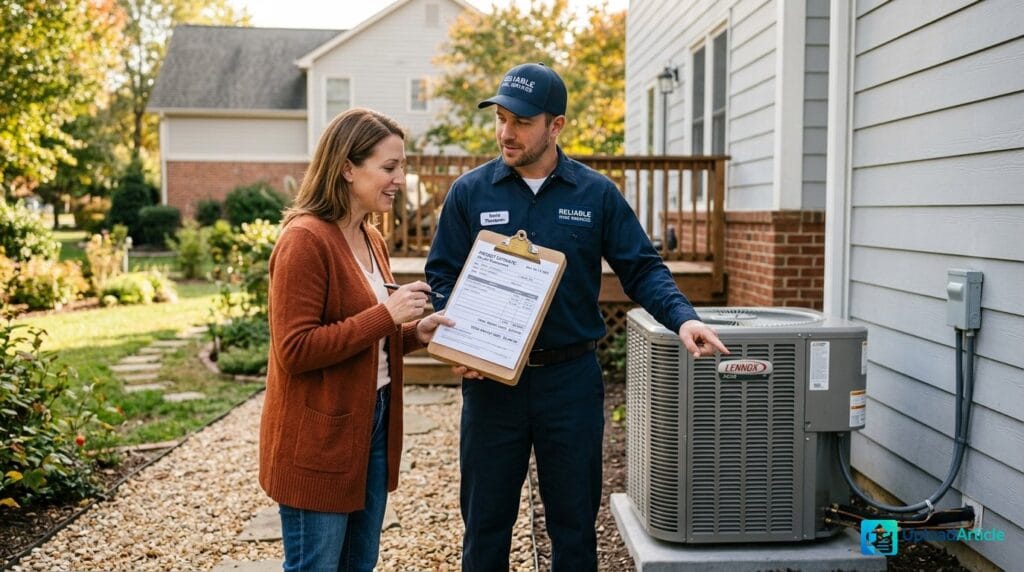
A professional inspection begins with a discussion of what the customer has seen, heard, or experienced. Useful details include the location of activity, time of day, frequency, recent construction, travel, deliveries, previous treatments, water leaks, and seasonal patterns.
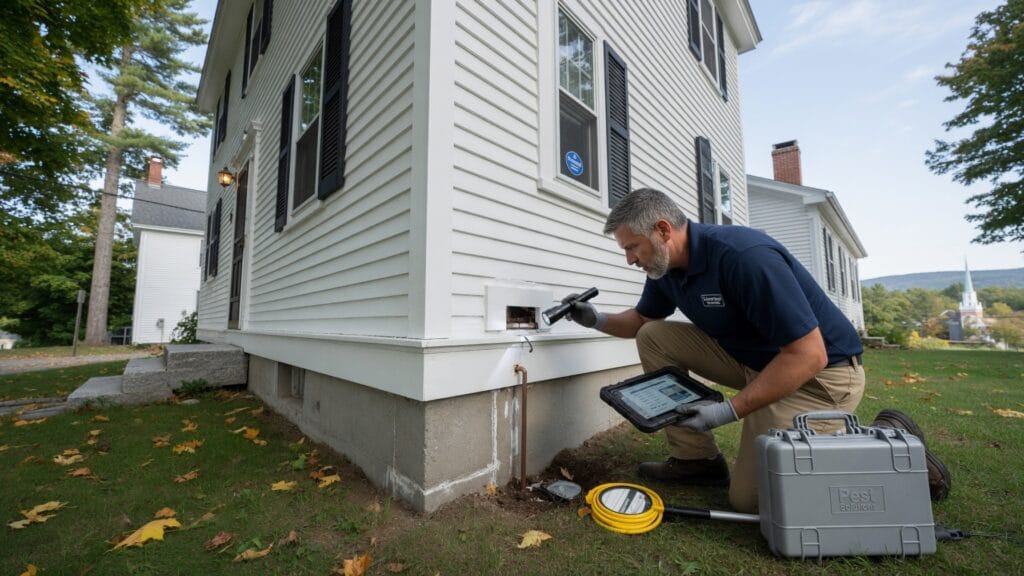
The technician may then examine kitchens, basements, attics, utility areas, garages, storage rooms, exterior walls, rooflines, landscaping, and other relevant spaces. The inspection should be focused enough to find evidence without disturbing areas unnecessarily.
Signs may include droppings, tracks, nesting material, gnaw marks, shed skins, insect fragments, webbing, grease marks, damaged food, mud tubes, live specimens, dead insects, or entry gaps. An experienced exterminator Concord technician interprets the evidence instead of relying only on a customer’s initial description.
2. Identify the Pest Correctly
Correct identification determines what treatment is likely to work. Different species may look similar while requiring very different strategies.
Carpenter ants, for example, differ from small nuisance ants in nesting habits and potential property impact. Mice and rats require different equipment placement and exclusion decisions. Cluster flies, drain flies, and fruit flies have different breeding sources. A flying insect near a window is not automatically a termite or carpenter ant reproductive.
A responsible exterminator Concord provider should explain what was identified and which evidence supports the conclusion. If identification is uncertain, collecting a specimen or using monitoring devices may be more appropriate than immediately applying a broad treatment.
3. Find Entry Points and Conducive Conditions
Pest activity often reflects a building or environmental condition. Rodents may enter through gaps around foundations, doors, vents, pipes, or rooflines. Ants may exploit cracks and follow moisture. Cockroaches can arrive in deliveries or move through shared walls. Wasps may nest in voids with exterior access.
Conducive conditions can include:
- Standing water or plumbing leaks
- Unsealed food and pet food
- Overflowing waste containers
- Vegetation touching the building
- Firewood stacked against exterior walls
- Moist wood or damaged siding
- Cluttered storage spaces
- Missing door sweeps and torn screens
- Gaps around utility penetrations
- Poorly maintained drains
An exterminator Concord inspection should connect pest evidence with likely access, food, moisture, or shelter whenever possible. This makes the treatment more precise and gives the owner practical prevention steps.
4. Create a Pest-Specific Treatment Plan
The service plan should state what areas will be treated, which methods will be used, what preparation is required, how occupants should protect pets or sensitive items, and whether follow-up is necessary.
Treatment may involve tamper-resistant rodent stations, mechanical traps, insect growth regulators, gel baits, dusts placed in appropriate voids, targeted crack-and-crevice applications, nest removal, exclusion, vacuuming, heat, or monitoring. The correct combination depends on the pest and site.
A qualified exterminator Concord professional should avoid making unrealistic promises before completing an inspection. Pest pressure, building design, neighboring properties, sanitation, weather, and customer cooperation can influence results.
5. Use Integrated Pest Management Principles
Integrated pest management, commonly called IPM, combines inspection, monitoring, prevention, physical controls, sanitation, exclusion, and carefully selected pesticide use. It aims to solve the problem while reducing unnecessary exposure and repeated applications.
IPM does not mean that pest-control products are never used. It means products are chosen and placed as part of a broader strategy. For example, a rodent program may combine trapping with food control and sealing. An ant program may use targeted bait while correcting moisture and trimming vegetation.
An exterminator Concord service using IPM should explain why each method is appropriate and how the customer can support the outcome. This collaborative approach is especially valuable in schools, healthcare environments, food facilities, multifamily housing, and homes with children or pets.
6. Protect Occupants, Pets, and Property
Safety instructions should be clear and specific. Customers need to know whether they must leave a treatment area, remove food, cover aquariums, move pet items, avoid treated surfaces, ventilate a room, or wait before cleaning.
The technician should follow product labels, use suitable application equipment, and place materials where they are appropriate for the target pest and setting. Rodent devices in accessible areas should be selected and secured with safety in mind.
Tell the exterminator Concord provider about infants, pregnancy, respiratory sensitivities, pets, fish, reptiles, birds, vegetable gardens, wells, or other site conditions that may affect the plan. Customers should also receive documentation of the work and be able to ask questions about materials used.
7. Complete Exclusion and Prevention Work
Exclusion means blocking pest entry. Depending on the problem, this may involve sealing gaps, installing door sweeps, screening vents, repairing damaged materials, or protecting utility openings. Materials must be selected for the pest, opening, moisture exposure, airflow needs, and building design.
Not every pest-control company includes structural repairs, so customers should confirm the service scope. When exclusion is recommended but not included, the report should identify priority areas clearly enough for a contractor or owner to address them.
An exterminator Concord provider should also recognize when an opening serves a necessary function. Dryer exhausts, combustion vents, drainage points, and other building components must not be blocked improperly. Complex repairs may require an appropriate building professional.
8. Monitor Results and Provide Follow-Up
Some treatments require time. Baiting programs depend on pest behavior, while traps need monitoring and adjustment. Bed bug and cockroach programs often require multiple visits. Exterior pest pressure can also change with weather and season.
Follow-up should evaluate whether activity has declined, whether new evidence is present, and whether the customer completed preparation or prevention steps. A technician may reposition devices, modify the treatment, seal additional gaps, or investigate another source.
Ask an exterminator Concord company how follow-up is scheduled, what the service warranty covers, and which conditions could affect coverage. A clear warranty should describe responsibilities and exclusions rather than relying on vague assurances.
9. Document Findings and Recommendations
A written service record creates accountability and continuity. It should identify the target pest, areas inspected, evidence found, treatment performed, safety instructions, monitoring results, and recommended corrective actions.
Documentation is especially important for property managers, restaurants, offices, warehouses, healthcare settings, and other regulated or high-traffic environments. Trend reports can reveal recurring activity by location, season, sanitation issue, or structural condition.
For homeowners, records help the next exterminator Concord technician understand previous work. They can also support real-estate maintenance, renovation planning, and decisions about recurring service.
Common Pests an Exterminator Concord Company Handles
Pest activity varies by property and season. Accurate identification should always come before treatment, but several categories are common in New Hampshire buildings and landscapes.
Rodents
Mice can enter through surprisingly small openings and may nest in walls, insulation, basements, attics, garages, or storage areas. Warning signs include droppings, scratching sounds, gnawing, damaged packaging, nesting debris, and grease marks.
Rodent control should combine removal with exclusion and sanitation. Poisoning animals inside inaccessible voids can create odor or recovery problems, so the treatment strategy must account for building layout and infestation conditions.
Ants
Ants may nest outdoors, in soil, under pavement, within damp wood, or inside structural voids. Baiting is often useful because workers can carry material back to a colony, but product choice and placement depend on the species and feeding behavior.
Carpenter ant activity warrants careful investigation because the insects can excavate moisture-damaged or suitable wood for nesting. They do not consume wood like termites, but an established nest can signal moisture or structural conditions that need attention.
Cockroaches
Cockroaches can hide in narrow spaces near food, water, heat, and appliances. Effective management typically requires sanitation, moisture correction, monitoring, targeted baiting, and treatment of harborages. Broad repellent spraying can sometimes interfere with bait programs if methods are not coordinated.
Multifamily buildings may require communication and inspection across neighboring units because pests can move through shared walls, utility lines, and common spaces.
Bed Bugs
Bed bugs can be transported in luggage, furniture, clothing, and personal belongings. Their presence is not proof of poor housekeeping. Common signs include live insects, cast skins, eggs, dark spotting, and bites, although skin reactions alone cannot confirm an infestation.
Bed bug treatment requires careful inspection and preparation. Depending on the plan, an exterminator Concord professional may use heat, targeted products, vacuuming, encasements, monitoring, or a combination of methods. Avoid moving infested items through the building without guidance.
Wasps and Stinging Insects
Wasps may build exposed nests or occupy wall voids, rooflines, soil cavities, and other protected locations. Nest treatment can be hazardous, particularly for anyone with an allergy or when the nest is near a doorway or elevated area.
Do not seal an active wall-void opening without professional advice, as insects may seek another route into the building. Keep people and pets away and arrange an inspection.
Ticks and Mosquitoes
Ticks are associated with vegetation, leaf litter, wildlife hosts, and landscape edges. Mosquitoes breed in standing water, including small containers, clogged gutters, tarps, tires, and neglected water features.
Outdoor management works best when habitat reduction is combined with targeted service where appropriate. No yard treatment can guarantee a pest-free property, so personal protective measures and routine landscape care remain important.
Spiders and Occasional Invaders
Spiders often follow prey insects indoors. Beetles, flies, stink bugs, and other seasonal invaders may enter through gaps around windows, siding, vents, and rooflines. Exclusion and exterior prevention are often more effective than repeatedly treating individual insects indoors.
When to Call an Exterminator Concord Professional
Professional help is appropriate when the pest creates a health or safety risk, threatens the structure, continues despite reasonable prevention, or requires restricted tools and products.
Call promptly when you notice:
- Rodent droppings in kitchens, bedrooms, or commercial food areas
- Repeated scratching or gnawing inside walls
- A stinging-insect nest near people or an active entrance
- Suspected bed bugs
- Cockroach activity, especially during daylight
- Carpenter ants emerging indoors in significant numbers
- Unexplained wood damage, mud-like tubes, or discarded wings
- Persistent pest activity after do-it-yourself attempts
- Bites or stings associated with an unidentified pest
- An infestation in a school, healthcare site, restaurant, or multifamily property
Immediate hazards may require emergency services rather than routine pest control. Seek appropriate medical care for severe allergic reactions or concerning bites, and contact animal-control or wildlife professionals for larger animals when required.
DIY Pest Control vs. Professional Treatment
Do-it-yourself prevention can be valuable. Owners can store food in sealed containers, remove waste, repair screens, trim vegetation, reduce standing water, vacuum pest debris, and close minor nonfunctional gaps with appropriate materials.
However, indiscriminate pesticide use can make a problem harder to diagnose, expose people or pets unnecessarily, or scatter pests into new areas. Foggers and broad sprays are not suitable for every infestation. Combining products without understanding labels and active ingredients is unsafe.
An exterminator Concord professional offers species identification, access to specialized equipment, knowledge of pest biology, and a structured follow-up process. Professional service is particularly important for bed bugs, extensive cockroach problems, structural pests, dangerous stinging insects, recurring rodents, and sensitive commercial environments.
How to Choose the Best Exterminator Concord Service
Start by checking whether the business and technicians meet applicable state licensing or certification requirements. Confirm insurance, experience with the specific pest, service coverage, and the process for complaints or callbacks.
Ask these questions before approving work:
- What pest did you identify, and what evidence confirms it?
- What conditions are contributing to the infestation?
- Which areas will you treat or monitor?
- What preparation is required?
- Are children, pets, or sensitive occupants affected by the plan?
- What prevention or exclusion is included?
- How many follow-up visits are expected?
- What does the warranty cover?
- Will I receive a written report?
- What is the full cost, including return visits?
The best exterminator Concord provider should answer clearly, avoid high-pressure tactics, and distinguish urgent action from optional improvements. Be cautious with anyone who recommends extensive treatment without inspecting the property or identifying the target pest.
Exterminator Concord Costs and Service Options
Pest-control pricing depends on the pest, property size, infestation level, treatment method, access, preparation, exclusion needs, and number of visits. A single wasp nest, a recurring rodent problem, and a whole-building bed bug treatment involve very different labor and materials.
Service may be offered in several formats:
One-time service
Best for an isolated, identifiable problem that can be treated and monitored within a defined scope.
Multi-visit program
Appropriate when pest biology or infestation severity requires staged treatment, monitoring, and adjustment.
Recurring pest management
Useful for properties with ongoing exterior pressure, commercial requirements, or a history of seasonal pest activity.
Inspection and exclusion service
Focused on finding and closing entry points, often combined with trapping or monitoring.
Request a written estimate that separates treatment, exclusion, cleanup, follow-up, and optional services. A low initial price may not be the best value if essential follow-up or prevention is excluded.
Seasonal Pest Prevention in Concord
Spring
Inspect screens, repair winter damage, remove standing water, clean gutters, and watch for ant trails or emerging stinging insects. Address damp wood and drainage before insect activity increases.
Summer
Manage waste, keep food areas clean, reduce mosquito breeding water, maintain vegetation, and inspect decks or rooflines for nests. Check pets and family members for ticks after outdoor activity.
Autumn
Seal rodent entry points before cold weather, install suitable door sweeps, store firewood away from the building, and examine garages, basements, and attics for evidence of activity.
Winter
Monitor kitchens, pantries, utility rooms, and warm voids for rodents or cockroaches. Avoid leaving pet food out overnight and address leaks that provide pests with water.
Preparing for an Exterminator Concord Appointment
Before the visit, write down where and when activity occurs. Save a specimen safely if possible, or take clear photographs. Avoid cleaning away all evidence before inspection, although food spills and immediate sanitation hazards should still be addressed.
Provide access to relevant basements, attics, closets, utility spaces, crawl spaces, and exterior areas. Secure pets and tell the company about allergies, sensitivities, wells, gardens, aquariums, or previous pesticide applications.
Do not apply additional products immediately before the appointment unless instructed. Recent spraying can alter pest behavior, contaminate samples, or interfere with a planned baiting strategy.
Conclusion
Choosing an exterminator Concord property owners can rely on starts with accurate identification and a careful inspection. Effective pest management should address the visible infestation, the conditions supporting it, and the routes pests use to enter. A thoughtful plan may combine sanitation, exclusion, monitoring, traps, baits, targeted treatments, and follow-up.
Ask for clear explanations, written findings, realistic expectations, and site-specific safety instructions. Keep records and complete recommended prevention work so the results last longer. Whether the concern involves rodents, ants, cockroaches, bed bugs, wasps, ticks, mosquitoes, or seasonal invaders, a qualified exterminator Concord professional can help replace guesswork with a structured, responsible solution.
FAQs
1. How quickly can an exterminator Concord service solve a pest problem?
Timing depends on the pest and infestation. Some isolated problems may improve after one visit, while rodents, cockroaches, and bed bugs often require monitoring and follow-up.
2. Is professional pest control safe for children and pets?
Treatments can be planned with occupants in mind. Tell the provider about children and pets, follow preparation instructions, and observe all reentry and safety directions.
3. What pests are common in Concord, New Hampshire?
Common concerns include mice, ants, wasps, ticks, mosquitoes, spiders, cockroaches, bed bugs, pantry pests, and seasonal invaders, although activity varies by property.
4. Should I leave my home during pest treatment?
It depends on the treatment and product directions. The technician should explain whether occupants must leave, for how long, and what should be protected or removed.
5. Does an exterminator seal pest entry points?
Some companies include exclusion, while others provide recommendations or separate estimates. Confirm which openings and materials are covered before approving service.
6. How can I prevent pests after professional treatment?
Seal appropriate gaps, repair leaks, store food securely, manage waste, reduce clutter and standing water, maintain landscaping, and complete the technician’s prevention recommendations.