Choosing materials for a home renovation involves understanding how appearance and practical performance work together. Homeowners often focus on colour, texture and the overall atmosphere a material can create, but its natural characteristics are equally important. Stone, in particular, can have variations that influence its suitability for different rooms and applications. Understanding these features before purchasing helps homeowners make decisions that complement their property while meeting everyday requirements.
Travertine is a natural sedimentary stone recognised for its earthy colours, distinctive markings and characteristic porous structure. Its appearance can range from soft ivory and cream to beige, brown and other natural shades. Some pieces display subtle patterns, while others contain more noticeable formations and surface details. These variations give the material an individual character that can work across traditional, contemporary and Mediterranean-inspired residential designs.
For homeowners considering travertine for a renovation, it is useful to look beyond its visual appeal and understand how its structure, finish and colour influence its performance. The same natural characteristics that make stone visually distinctive also affect cleaning, sealing and installation requirements. By examining these details before selecting a product, homeowners can choose a suitable option for the intended space and create a design that remains practical over time.
Understanding the Porous Structure of Natural Stone
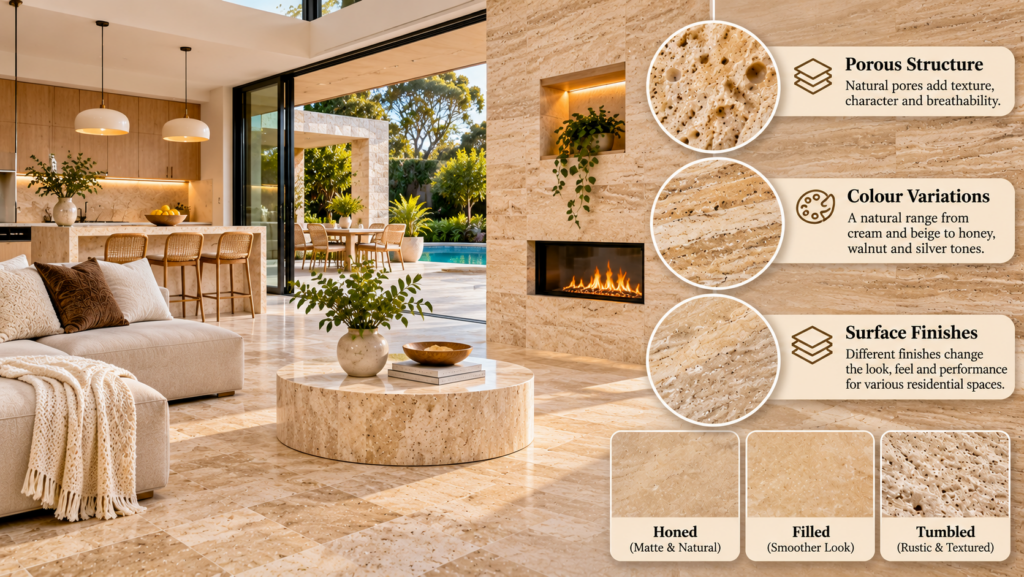
One of the defining characteristics of travertine is its naturally porous structure. During its formation, mineral-rich water deposits calcium carbonate, creating layers and small cavities within the stone. These natural openings contribute to its distinctive appearance and can vary in size and distribution. Depending on the product and processing method, the cavities may remain visible or be filled during manufacturing to create a more uniform surface.
The presence of pores means that the stone needs appropriate care, particularly in areas exposed to moisture, food spills or regular cleaning. Unprotected surfaces may absorb liquids and develop stains if spills are not managed properly. Homeowners should ask suppliers about the stone’s treatment, recommended sealers and suitable cleaning products. Understanding these requirements before installation makes it easier to establish a maintenance routine that protects the surface without damaging its natural finish.
How Natural Colour Variations Influence Interior Design
Natural stone rarely has the perfectly consistent colour found in many manufactured materials. Travertine can contain variations within the same batch, with individual pieces displaying different shades and mineral markings. These differences can create a layered appearance across floors, walls and other decorative surfaces. Rather than treating every variation as a defect, designers often consider it part of the material’s natural character.
Colour selection should be based on the overall palette of the room. Cream and ivory tones can create a bright, understated foundation, while warmer beige and brown shades may complement timber furniture and earthy decorative elements. The surrounding wall colours, cabinetry, lighting and textiles should also be considered. Viewing several samples together is helpful because a single small sample may not show the full range of natural variation that will appear across a larger installation.
The Role of Surface Finishes in Different Residential Spaces
The finish applied to natural stone can change both its visual appearance and its practical characteristics. A honed finish generally offers a smooth, matte look that suits understated interiors. Polished surfaces provide a more reflective appearance, while tumbled finishes create a softer, aged character that may work well in traditional or rustic settings. Each option produces a different design effect, so the choice should reflect the style and function of the room.
Practical requirements are just as important as appearance when choosing a finish. Bathrooms and other areas exposed to water require particular attention to slip resistance and product suitability. Kitchen surfaces may need additional consideration because they can come into contact with oils, food and cleaning products. Homeowners should check the manufacturer’s specifications and seek professional advice rather than assuming that a finish suitable for one room will automatically be appropriate elsewhere.
Using Travertine to Create Visual Balance in Modern Homes
Contemporary residential design often combines natural materials with simple architectural forms. Clean lines, neutral walls, open spaces and carefully selected furniture can provide a setting in which stone becomes a subtle but distinctive feature. Its organic patterns introduce texture without requiring excessive decoration. In an open-plan living area, for example, natural stone flooring can help establish continuity between different functional zones.
Balance is important when combining stone with other materials. Pairing a heavily patterned surface with numerous decorative finishes can make a room feel crowded. A more restrained approach allows the stone’s markings to remain visible while other elements provide contrast. Timber, glass, metal and neutral fabrics can all complement natural stone when their colours and textures are selected carefully. The objective is to create a coordinated environment rather than making every material compete for attention.
Selecting the Right Stone for Bathrooms and Kitchens
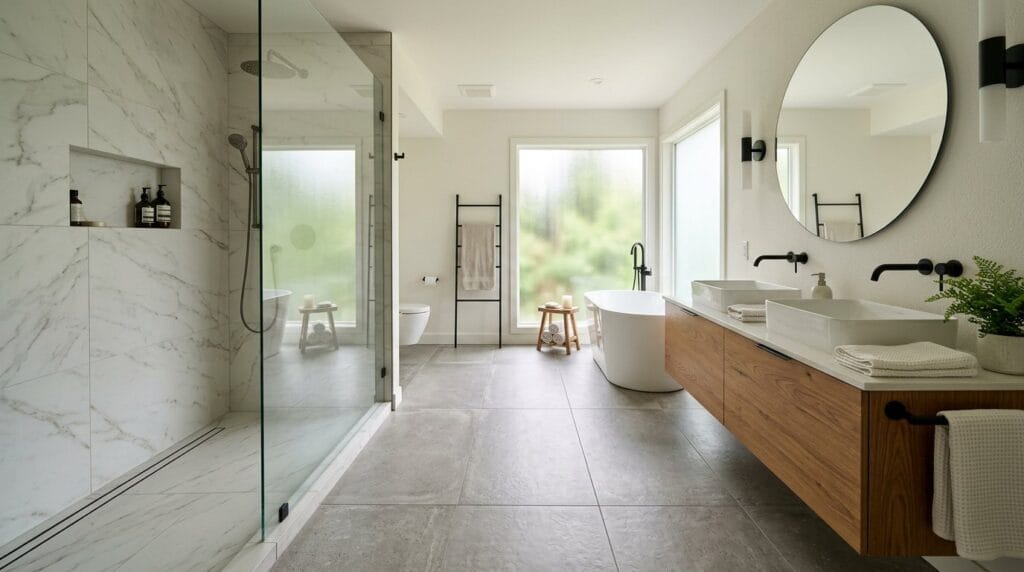
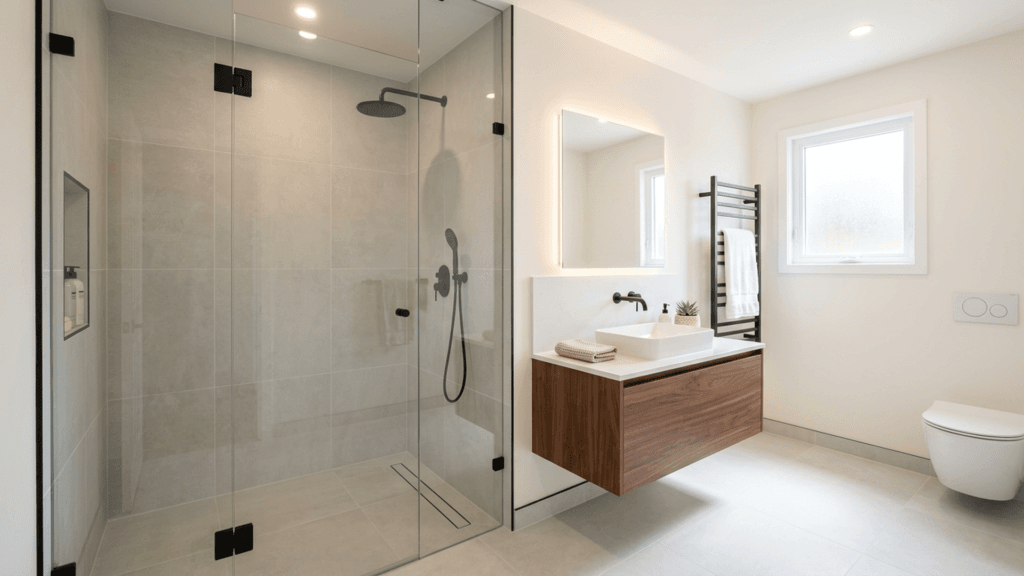
Bathrooms require careful material selection because floors, walls and shower areas experience different levels of moisture exposure. Natural stone can contribute to a calm and sophisticated atmosphere, but the selected product must be appropriate for its exact location. Surface finish, sealing, drainage and cleaning requirements should all be reviewed before installation. Areas that remain wet for extended periods need particular attention to product specifications and slip resistance.
Kitchens introduce another set of practical considerations. Flooring must cope with regular foot traffic, spills and frequent cleaning, while splashback areas may be exposed to cooking oils and moisture. Homeowners should understand how the stone reacts to common household substances and what maintenance will be required. For people researching travertine for these spaces, comparing finishes and product specifications can help identify an option that suits the room’s daily demands. It is also useful to consider how the stone will coordinate with worktops, cabinets and appliances.
Installation Planning and the Importance of Professional Preparation
A quality installation begins with an assessment of the surface where the stone will be fitted. The substrate needs to be suitable, stable and properly prepared for the selected installation method. Uneven surfaces, moisture problems and unsuitable adhesives can affect the finished result. Installers should follow the product manufacturer’s recommendations and consider the dimensions, thickness and weight of the selected pieces before work begins.
Layout planning also has an important influence on the final appearance. Because natural stone varies in colour and pattern, installers may arrange several pieces before fixing them permanently. This allows noticeable variations to be distributed more evenly and helps prevent one section from looking significantly different from another. Grout colour, joint width, edge details and transitions between materials should also be agreed upon in advance. Visual planning applications such as Dreamina can help homeowners explore possible room palettes, but actual stone samples and professional installation advice should guide the final choices.
Caring for Natural Stone After Installation
Regular maintenance helps preserve the appearance of natural stone. Dust, loose dirt and everyday debris should be removed using suitable cleaning methods to reduce surface wear. For routine cleaning, homeowners should use products recommended for the selected stone and avoid acidic or harsh chemicals unless the manufacturer specifically confirms they are safe. Cleaning instructions can differ depending on the finish and any treatments applied before installation.
Sealing may also be recommended to help reduce the absorption of moisture and staining substances. However, a sealer does not make natural stone completely resistant to every spill or chemical. Homeowners should follow the supplier’s guidance regarding application and maintenance intervals. Addressing spills promptly, using appropriate protective measures and arranging professional advice when needed can help maintain the surface’s appearance over the years.
Conclusion
The natural structure, colour variations and surface finishes of travertine all contribute to its distinctive character in residential design. Its porous composition gives the material an individual appearance, while different finishes and shades provide flexibility across a variety of interior styles. These same characteristics also make product selection, installation and maintenance important parts of the decision-making process.
For homeowners planning a renovation, the best approach is to consider the intended application before selecting a particular stone. Comparing actual samples, reviewing technical specifications and discussing installation requirements with experienced professionals can help avoid unsuitable choices. With careful planning and appropriate care, natural stone can bring warmth, texture and individuality to a residential space.
Frequently Asked Questions
1. Why does natural travertine have small holes and pores?
The holes are part of the stone’s natural formation. They develop as mineral-rich water deposits calcium carbonate over time. Depending on the product, these openings may remain visible or be filled during processing.
2. Does travertine come in different colours?
Yes. Natural shades commonly include ivory, cream, beige and brown, although the exact colours and markings vary between products and stone selections. Viewing actual samples is recommended before purchasing.
3. Can travertine be used in bathrooms?
It may be suitable for selected bathroom applications when the product, finish and installation system are appropriate. Wet areas require careful consideration of slip resistance, sealing, drainage and maintenance.
4. What is the difference between honed and tumbled travertine?
Honed surfaces generally have a smooth, matte appearance, while tumbled finishes have a more textured and aged character. The best choice depends on the desired design and the practical requirements of the space.
5. Does natural travertine require special cleaning products?
It is generally best to use cleaning products specifically recommended for natural stone. Acidic cleaners and harsh chemicals can damage some stone surfaces, so homeowners should follow the manufacturer’s care instructions.
6. How can I reduce the risk of staining?
Appropriate sealing, prompt spill removal and regular cleaning can help reduce staining. The correct protective treatment depends on the stone and its finish, so supplier recommendations should always be followed.