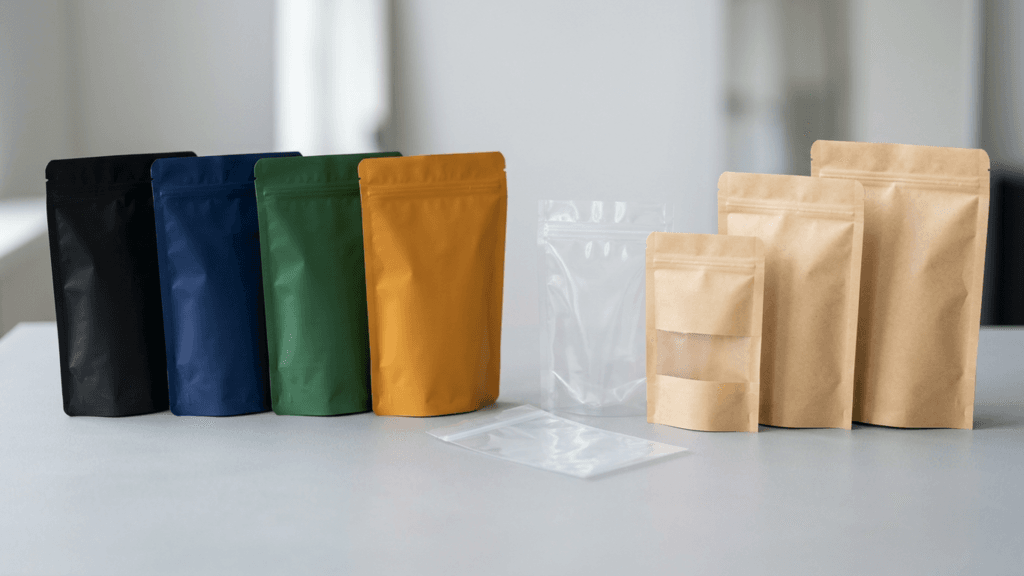
Packaging is the part of a product the customer touches first, and in retail the packaging has to do three jobs at once: protect the product, present the brand, and hold up on the shelf. Flexible packaging, the family of pouches and bags made from pliable films, has become the dominant choice for a huge share of retail products because it does all three with less material and cost than rigid alternatives. Understanding the types of flexible packaging for retail is the first step to choosing the right one, and this guide explains the options, their uses, and how a supplier such as GMR Packaging Corp. serves brands across the United States.
Why Flexible Packaging Dominates Modern Retail
Flexible packaging’s rise is not a matter of fashion but of function, and the advantages are measurable.
The first advantage is material efficiency. Flexible packaging uses significantly less material than rigid containers to hold the same product, which lowers cost, reduces shipping weight, and produces less waste, a combination that appeals to both the balance sheet and sustainability goals. The second is space efficiency, because pouches and bags collapse around the product and stack efficiently, taking less room in the warehouse, in transit, and on the shelf.
The third advantage is the product experience. A stand-up pouch presents the product upright, offers a large printable surface for branding, and often includes resealable features that rigid packaging cannot match. This is why food, coffee, supplements, and pet products have migrated so heavily to the format: the package itself becomes part of the product’s appeal rather than merely its container.
For a retail brand, the practical summary is simple: flexible packaging costs less to produce and ship, looks modern on the shelf, and protects the product effectively, which is why it has become the default for so many categories.
Stand-Up Pouches: The Retail Workhorse
The stand-up pouch is the format most associated with modern flexible packaging, and it deserves the association.
A stand-up pouch has a gusseted bottom that allows it to stand upright on a shelf, presenting the brand’s face to the customer rather than lying flat. This single structural feature changes everything about retail display, because the product sells itself from the shelf, and the upright format reads as premium and contemporary to shoppers.
Stand-up pouches are available preformed or in roll stock, depending on the brand’s filling and packaging line, and they can be customised with sizing, design, and printed branding for a shelf-ready look. They are the natural choice for food and snacks, coffee and tea, supplements and wellness products, and pet treats, the categories where the resealable, shelf-presenting format has become the expected standard.
For a brand launching a product in any of these categories, the stand-up pouch is usually the right starting point, because it is what the market already recognises and what retail buyers expect to see.
Poly Bags: The Versatile Foundation
Where the stand-up pouch is the display format, the poly bag is the workhorse, and its range of styles covers far more than retail display alone.
The lay flat bag is the simplest style, a flat bag available in every size and gauge, used for storage, shipping, and product protection. The gusset bag adds expandable side or bottom panels, which allows it to hold bulky or square items that a flat bag cannot accommodate. The reclosable bag adds a press-to-close or zipper closure, which suits food products and anything the customer will open and reseal repeatedly.
The wicketed bag is a production format, supplied on a wicket for fast loading on filling lines, common in food service and high-volume packing. Food service bags are the FDA-approved style intended for direct food contact, and bin liners and trash and can liners round out the range for the operational side of a business.
The breadth of this range is the point. The same supplier that provides the retail display pouch can provide the food service bags, the shipping bags, and the facility liners, which is why flexible packaging suppliers often become the single source for a brand’s entire packaging and fulfilment setup.
Customisation: Turning Packaging Into Branding
The difference between generic packaging and a branded product is customisation, and it is where flexible packaging earns its place in retail.
Custom stand-up pouches can be printed with the brand’s full design, producing a clean, shelf-ready look that makes the product recognisable and memorable. The printing is applied to the film itself, which means the entire package is a canvas, and the result is a product that looks as professional as any national brand regardless of the company’s size.
Poly bags are customisable as well, printed or plain, in any size and gauge, which lets a brand extend its identity from the retail pouch to the shipping bag. For a small business building its first product line, this customisation is the difference between a product that looks homemade and one that looks established, and it is available at quantities that smaller brands can actually use.
The practical guidance is to start with the retail format, the stand-up pouch for display products, and extend the customisation across the poly bags and shipping materials that support it, so the brand presents consistently from shelf to doorstep.
Choosing the Right Packaging for Your Product
The choice among the types of flexible packaging follows the product and the channel rather than the price list.
For a product sold on retail shelves, the stand-up pouch is the default, chosen for its upright presentation and resealable convenience. For a product shipped in bulk or used in food service, the poly bag styles, lay flat, gusset, or reclosable, are the practical choices, selected by the product’s shape and how it will be handled. For products in direct food contact, the FDA-approved food service bags are the necessary specification, because compliance with food contact standards is not optional.
The channel matters too. Direct-to-consumer shipping benefits from packaging that protects the product through transit while presenting the brand on arrival, which often means a branded pouch inside a protective bag or box. The same product sold wholesale may prioritise efficiency and cost over presentation. The right answer is the format that serves the product, the channel, and the customer experience together.
What to Look for in a Packaging Supplier
The supplier is as important as the packaging, and a few signals separate a dependable partner from a transactional vendor.
Experience is the first signal, because packaging involves specifications, tolerances, and food-contact compliance that reward accumulated knowledge. GMR Packaging Corp. brings 35 years of packaging experience and describes itself as a trusted nationwide supplier since 1981, which is exactly the kind of longevity that matters in this category.
Range is the second signal, because a supplier that covers stand-up pouches, the full poly bag styles, and the related shipping and warehouse supplies can serve the brand’s entire packaging needs from one place. Customisation capability is the third, because the ability to print branded pouches and supply custom sizes is what turns a stock product into a retail brand.
Finally, reliability matters in the practical details: nationwide shipping, consistent stock, and support for both small and large orders. A supplier that serves small businesses and national shippers alike is built to grow with a brand, which is what a packaging relationship should do.
The Role of Compliance and Standards
For any brand packaging food or consumable products, compliance is not a detail but a requirement, and it shapes the packaging choice.
Poly bags and pouches used for food must meet food contact standards, and the supplier’s FDA approval is the baseline assurance that the materials are suitable for direct food contact. GMR Packaging states that its poly bags are FDA approved and available in food service styles, which is the specification a food brand should require. For broader industry standards, the Flexible Packaging Association provides guidance on materials and best practices, and a supplier that points to such standards is operating with the appropriate transparency.
The practical takeaway for a brand is to confirm the compliance status of any packaging that touches food, and to treat a supplier’s stated approvals as a requirement to verify rather than a marketing claim.
Conclusion
In conclusion, the types of flexible packaging for retail resolve into two families: the stand-up pouch, which presents the product on the shelf and has become the signature of modern retail brands, and the poly bag in its many styles, which handles the storage, food service, and shipping work behind the display. Each serves a defined purpose, and the right choice follows the product, the channel, and the compliance requirements, with customisation turning the packaging into branding along the way. For brands across the United States, a supplier such as GMR Packaging Corp., with its 35 years of experience, its full range of pouches and FDA-approved poly bags, and its custom printing capability, offers the combination of dependability and breadth that a packaging relationship requires. The package is the first thing a customer holds, and getting it right is where a product becomes a brand.
Frequently Asked Questions
1. What are the main types of flexible packaging for retail?
The main types are stand-up pouches for shelf display and poly bags in styles such as lay flat, gusset, reclosable, wicketed, and food service.
2. What is the difference between stand-up pouches and flat poly bags?
Stand-up pouches have a gusseted bottom that lets them stand upright for retail display, while flat poly bags lie flat and suit storage, food service, and industrial use.
3. Are flexible packaging poly bags FDA approved?
GMR Packaging’s poly bags are FDA approved and available in food service styles suitable for direct food contact.
4. Can stand-up pouches be custom printed?
Yes, custom stand-up pouches can be tailored with sizing, design, and printed branding for a clean, shelf-ready retail look.
5. What are wicketed poly bags used for?
Wicketed bags are supplied on a wicket for fast, high-volume loading on filling lines, common in food service and packing operations.
6. What should I look for in a flexible packaging supplier?
Look for experience, a full range of pouches and bag styles, customisation capability, and reliable nationwide shipping.